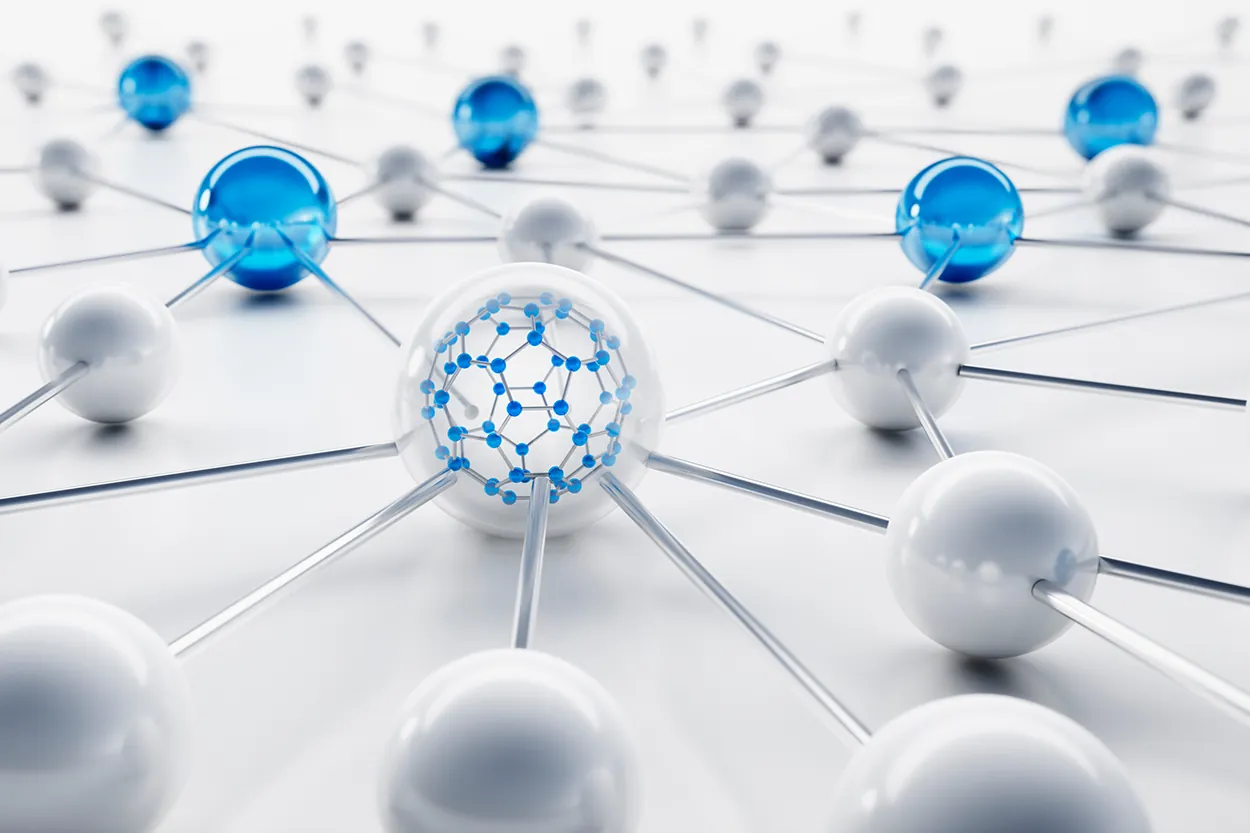
How high-performance ceramics are shaping modern industry
Ceramics are found in chips, implants, engines and sensors and make modern industry invisible but indispensable.


Ceramics have traditionally been associated with pottery, tiles, and art, but they have much deeper and strategic importance in industry than most people recognize. While many think ceramics are fragile, their application in high-tech fields shows exceptional physical properties — high hardness, heat resistance, electrical insulation, and chemical resistance — that make them essential in critical areas. This article explores unexpected industrial applications of ceramics and shows how this material is shaping modern life in invisible ways.
Properties of ceramics that make them industrially valuable
To understand why ceramics are so useful in industry, it is necessary to know their key features:
- High hardness and wear resistance: High-performance ceramics such as aluminum oxide (Al₂O3), zirconium dioxide (ZrO₂) and silicon carbide (SiC) resist abrasion and deformation, making them ideal for components that are exposed to intensive friction.
- Thermal stability: Certain ceramics can withstand temperatures above 1,500 °C without deforming — essential for industrial furnaces, jet engines and nuclear reactors.
- Chemical resistance: Chemical inertness allows ceramics to be used in corrosive environments, including chemical and pharmaceutical industries.
- Electrical and dielectric insulation: Ceramic is an insulating material that protects electrical components and at the same time enables high-precision capacitors to be manufactured.
These properties enable applications in areas rarely associated with ceramics and transform modern industrial processes in invisible but essential ways.
Ceramics in high-tech sectors
Electronics and microelectronics
Only a few people know that ceramics are of crucial importance for everyday electronics:
- Substrates for integrated circuits: High-performance ceramics serve as the basis for chips, dissipate heat and maintain electrical integrity.
- Ceramic capacitors: Critical in smartphones, computers and electric vehicles, these components reliably store energy in a very small space.
- Piezoelectrics: Ceramic piezo elements convert mechanical pressure into electricity and vice versa. They are used in sensors, car ignitions, and highly sensitive microphones.
Aerospace industry
Heat resistance and low weight make ceramics indispensable in aerospace:
- Thermal protective coatings for jet engines: Ultra-resistant ceramics cover turbines and enable operation at extreme temperatures without molten metal.
- Spacecraft heat shields: Ceramic plates absorb and dissipate heat when reentering the atmosphere and protect crew and systems.
- Sensor and radar components: High-frequency dielectric ceramics ensure reliable communication under extreme conditions.
Medicine and biotechnology
The medical applications of ceramics are surprisingly diverse:
- Orthopedic implants: Zirconium dioxide is biocompatible, durable and is used in hip and knee prostheses.
- Dental implants: Zirconium dioxide is increasingly being used for dental implants because it is biocompatible, aesthetic and highly durable. In contrast to metal implants, zirconium dioxide naturally integrates with bone tissue, is resistant to corrosion and maintains a natural tooth color, providing both functional and cosmetic benefits.
- Precision surgical instruments: Ceramic blades stay sharp longer than conventional steel, which protects the tissue.
- Biosensors and diagnostic microchips: Piezoelectric and insulating ceramics serve as the basis for devices that detect diseases with extreme sensitivity.
Automotive and transportation
Ceramics appear in unexpected places in the automotive sector:
- High-performance brake pads: Ceramic composites resist high temperatures and abrasion and are used in racing cars and luxury vehicles.
- Oxygen sensors: Ceramic measures the composition of exhaust gases and helps reduce emissions.
- Ignition and motor components: Insulating ceramics ensure efficient ignition even at extreme temperatures.
Ceramics in unusual industrial applications
There are applications of ceramics that surprise even experienced engineers:
Food industry
- Mills and reactors: Wear-resistant ceramics crush grains, cocoa and spices without contamination.
- Acid-resistant containers: Special ceramics resist acids and high temperatures, maintaining flavor and purity.
Oil and gas industry
- Pump and valve components: Ceramic resists abrasion from sand and corrosive liquids and extends the life of expensive equipment.
- Pressure and temperature sensors: Piezoelectric ceramics measure extreme conditions in deep boreholes.
Energy and electricity
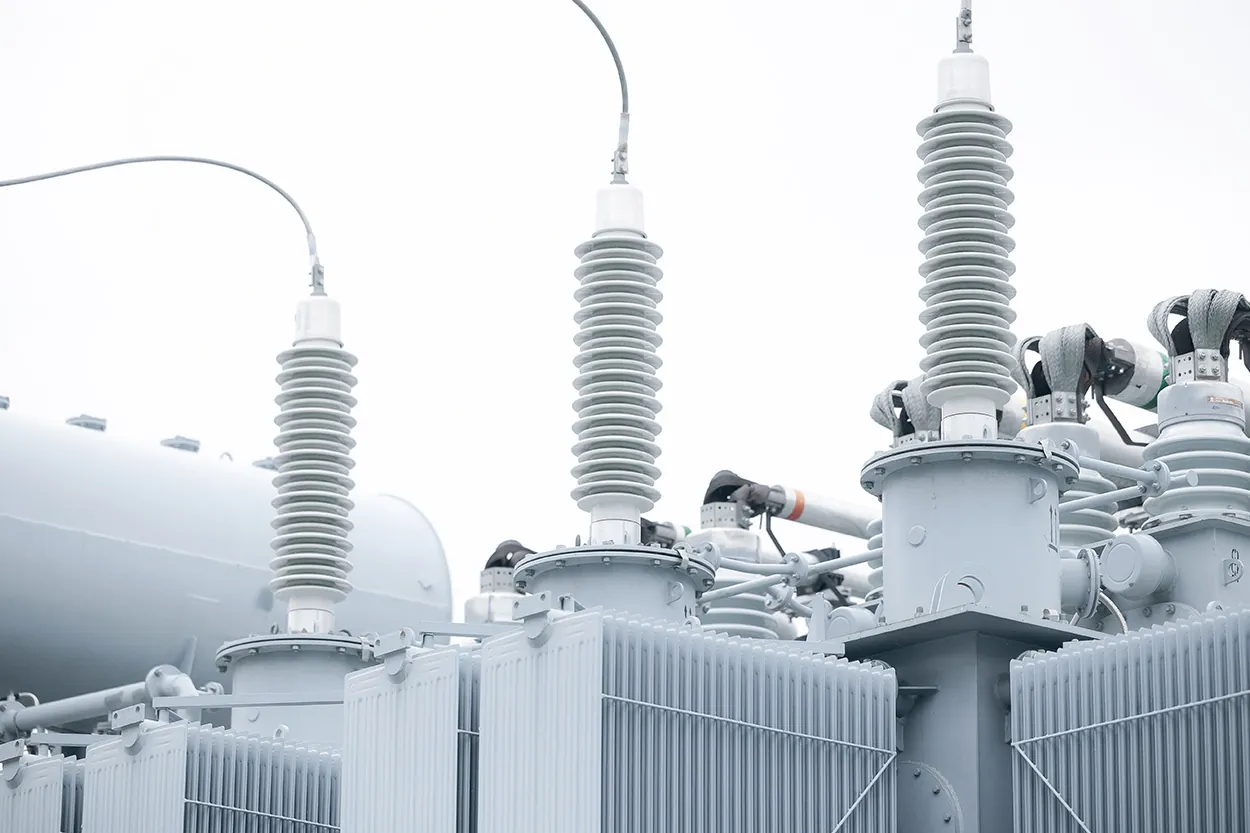
- High-voltage insulators: Transmission lines use ceramics to prevent power leaks.
- Fuel cell membranes: Ion-conducting ceramics enable efficient, clean energy generation.
- Turbines and nuclear reactors: Ceramic resists radiation and high temperatures and ensures safety and efficiency.
Industrial 3D printing
One of the most revolutionary new applications:
- Precision parts for mechanical engineering: Zirconium dioxide and aluminum oxide are 3D printed for prototypes and high-strength end parts.
- Customized wear tools: 3D-printed ceramic molds save time and increase durability in foundry and metallurgy processes.
Why ceramic is rarely recognized
Despite their omnipresent presence, most people rarely recognize ceramics in everyday products:
- Invisibility of the material: Many ceramic components are found in chips, sensors, brakes and implants and are invisible.
- Mistake with metal or plastic: Due to their durability and surface finish, high-performance ceramics look like metal or plastic.
- Technological complexity: Producing advanced ceramics requires specialized equipment and knowledge unknown to most.
Future trends
Industrial ceramics continue to expand, driven by new technologies:
- Hybrid ceramics: Combining ceramic with metal or polymer for tailored properties.
- Flexible electronics and wearables: Ultrathin ceramics enable sensors in textiles and wearable devices.
- Renewable energy: components for highly efficient turbines and fuel cells.
- Advanced 3D printing: Producing complex geometries that would be impossible using traditional methods reduces waste and production time.
These trends show that virtually every industry that relies on high precision, strength, or insulation will increasingly use ceramics.
Conclusion
Industrial ceramics go far beyond traditional associations with tiles and pottery. From microchips and sensors to medical and dental implants, high-performance brakes, aerospace components and precise 3D-printed parts, ceramics tacitly form the basis of modern technology. Their combination of hardness, heat resistance, chemical stability and electrical properties makes them indispensable in many industries.
Most applications are invisible to the public, but are critical to the safe and efficient operation of everyday technologies. Ceramic is not a material of the past, but an invisible basis that keeps modern life functional.
Check out the latest